

In recent years, the landscape of art and creativity has undergone a remarkable transformation, primarily due to the advancements in artificial intelligence. Among the pioneering tools making waves in this realm is DALL-E 3, an innovative model designed to push the boundaries of AI-powered image creation. With its ability to generate stunning visuals from text prompts, DALL-E 3 represents a significant leap in the evolution of AI image generation, blending the worlds of technology and artistic expression.
As AI continues to permeate various creative industries, the role it plays in generating artwork is becoming more profound. DALL-E technology harnesses the power of deep learning and neural networks to produce images that not only resonate with the intended concepts but also challenge traditional notions of creativity. This revolutionary AI art tool is enabling artists, designers, and creators to explore new dimensions of digital creativity, paving the way for a future where AI-driven design and innovative image synthesis are at the forefront of artistic endeavors.
The Evolution of DALL-E Technology
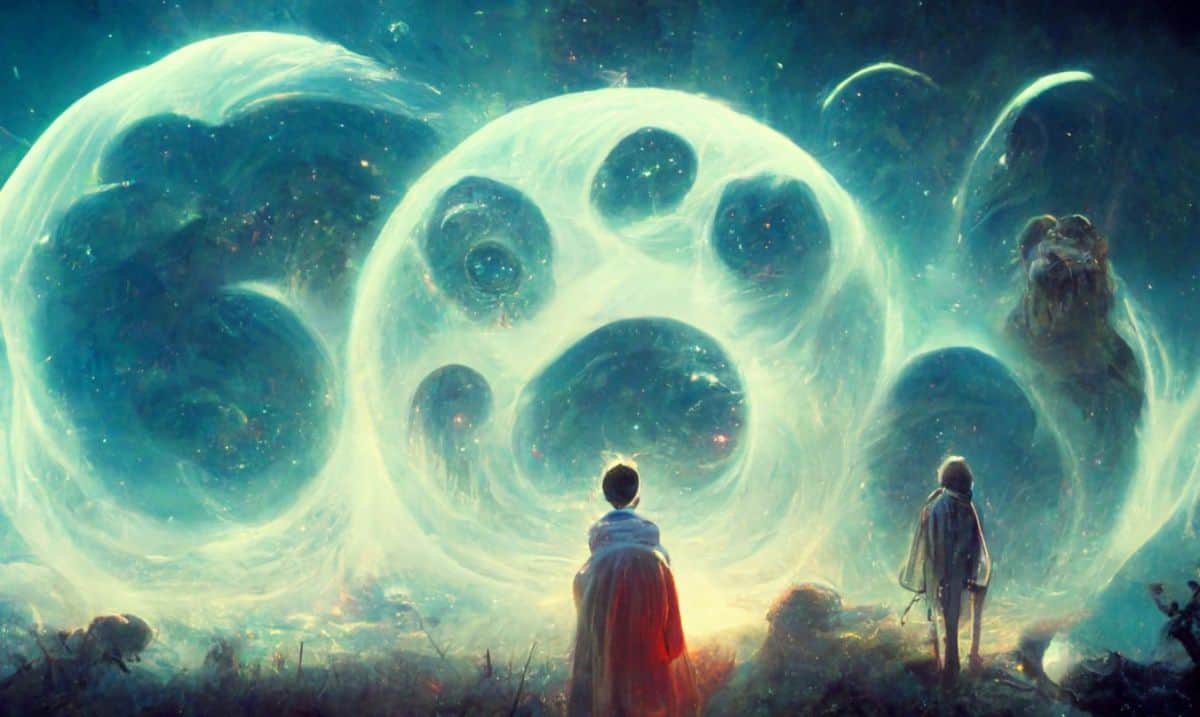
The journey of DALL-E technology began with the introduction of the first iteration, DALL-E, which showcased the potential of combining natural language processing with image generation. This groundbreaking model utilized machine learning techniques and neural networks to interpret text prompts and create corresponding images, marking a significant leap in AI image generation. The ability to visualize concepts from simple text descriptions opened new avenues in art and design, inspiring creatives to explore innovative ways to express ideas.
As the demand for more sophisticated AI art tools grew, OpenAI developed DALL-E 2. This upgrade brought enhancements in image quality and coherence, allowing for greater fidelity to the input prompts. With increased capabilities, DALL-E 2 offered users the opportunity to create images with more nuanced details and varied artistic styles, thereby catering to a wider audience of artists, designers, and content creators. The evolution of this technology highlighted the potential for AI-driven creativity in visual arts, bridging the gap between artistic expression and technological innovation.
The recent introduction of DALL-E 3 marks another milestone in the evolution of AI image creation. This latest version improves upon its predecessors by refining its understanding of complex prompts and delivering even more visually striking and contextually appropriate images. By leveraging advanced text-to-image models, DALL-E 3 empowers users to push the boundaries of digital creativity, whether in illustrating concepts, enhancing marketing materials, or exploring new artistic styles. Its advancements pave the way for the future of AI in art, where the fusion of artificial intelligence and creative expression continues to redefine the possibilities of image synthesis.
Impact of AI on Creative Processes
The integration of AI into creative processes has fundamentally transformed how artists and designers approach their work. Tools like DALL-E 3 offer new avenues for generating art, enabling creators to explore concepts and visual styles that may have previously been unattainable. By leveraging AI-powered image creation, artists can experiment with diverse aesthetics and ideas, enhancing their creative workflow. The ability to translate text prompts into vivid imagery allows for a more fluid exchange between thought and visual representation, fostering an environment where innovation thrives.
Moreover, AI in design is reshaping traditional artistic methods, providing creatives with a collaborative partner that can assist in refining ideas or generating variations on a theme. This synergy between human intuition and machine learning capabilities encourages deeper exploration of creative possibilities. As AI image models evolve, they not only streamline the design process but also challenge the notion of authorship and originality in art, prompting creators to rethink their relationship with technology as a co-creator rather than merely a tool.
Finally, the continued advancement of AI-driven creativity is likely to influence the future of the creative industries substantially. With DALL-E advancements, professionals in graphic design, photography, and media are equipped with powerful AI art tools that enhance productivity and inspire fresh artistic endeavors. As these technologies become more integrated into everyday artistic practices, the boundaries between human creativity and machine-generated content will blur, offering exciting new opportunities for artistic expression that will redefine the very essence of art and design.
Future Trends in AI Art and Design
As we look to the future, the convergence of AI-powered image creation and artistic expression is set to redefine creative boundaries. The introduction of advanced models like DALL-E 3 illustrates the growing capability of AI in generating highly detailed and contextually rich visuals. With its refined image synthesis techniques, artists and designers can expect to personalize their creative visions more effectively, leveraging AI-driven creativity to explore new artistic avenues while reducing the time spent on labor-intensive tasks.
Moreover, the integration of AI in digital art continues to blossom, offering innovative design solutions and enhancing the creative process. Tools powered by machine learning and deep learning algorithms are becoming increasingly accessible, allowing both seasoned professionals and newcomers to experiment with AI-generated art. This democratization of art creation not only fuels individual artistic expression but also fosters collaboration between human creators and AI, leading to unique art and design outcomes that reflect a blend of human intuition and computational precision.
Looking ahead, the role of AI in the creative industries will evolve significantly. As technologies advance, we can expect more sophisticated AI art tools that respond more intuitively to user preferences and artistic styles. DALL-E 3, AI-powered image creation, AI in art, AI image generation, artificial intelligence, machine learning, neural networks, AI art tools, AI creativity, AI in design, image synthesis, AI image models, text-to-image, DALL-E technology, AI-generated art, future of image creation, AI-driven creativity, AI in digital art, AI art generation, image creation software, deep learning, creative AI, generative models, AI in visual arts, AI image innovation, digital creativity, AI in media, AI for artists, DALL-E advancements, AI-enhanced design, AI-generated images, future of AI in art, art and technology, AI design tools, DALL-E capabilities, AI art trends , coupled with ongoing developments in neural networks and generative models, hints at an exciting future where AI not only enhances traditional forms of art but also inspires entirely new genres. Engaging with AI image models will become an integral part of the artistic landscape, shaping the future of image creation in ways that are just beginning to be realized.